


Thyroid Disorders in Pregnancy: Risks and Solutions
- Prapti Chauhan
- Nov 6, 2025
- 2 min read

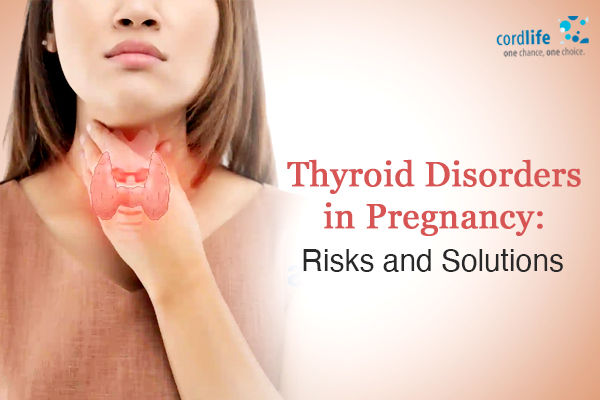
Pregnancy is a fantastic journey; however, it also causes dramatic changes in hormone levels, including thyroid hormone levels. Pregnancy is often the time for thyroid disorders to go undetected, as their symptoms are ambiguous to the typical pregnancy symptoms, like fatigue, altered weight, or mood swings. Still, understanding these conditions and taking early action is very important for the health of both mother and baby.
Why the Thyroid Matters During Pregnancy
The thyroid gland secretes hormones that control the metabolism rate, the energy obtained from food, and the body size. During pregnancy, thyroid hormones play a significant role in fetal brain development and in ensuring a healthy pregnancy. Underactive thyroid (Hypothyroidism) or overactive thyroid (Hyperthyroidism) can interrupt this hormone balance.
Risks Associated with Thyroid Disorders in Pregnancy
1. Risks of Hypothyroidism
For women with low levels of thyroid hormone, pregnancy can come with a range of complications: anaemia, preeclampsia, miscarriage, and preterm births. Also, the newborn may have delayed development if the condition is untreated, particularly during the first months, when they are entirely dependent on the mother's thyroid hormone supply.
2. Hyperthyroidism Risks
A hyperactive thyroid can also cause a rapid heartbeat, high blood pressure, and even heart failure in extreme cases, as well as a drastic loss of weight. Pregnant women are at risk of preterm delivery, low birth weight, and the infant having thyroid problems, which may all occur due to the mother’s hyperthyroidism. The most common cause of hyperthyroidism in pregnant women is Graves’ disease, which is an autoimmune disease.
Identifying Main Indicators
Although symptoms can be hard to tell, the leading indicators are:
• Hypothyroidism: lack of energy lasting for days, not being able to tolerate cold, having dry skin, being constipated or gaining weight for no apparent reason.
• Hyperthyroidism: being anxious, irritable, sweating a lot, having a fast pulse, or losing weight suddenly.
Do not hesitate to contact your doctor if you experience any of these symptoms or a combination of them.
Reassuring and Beneficial Alternatives
The positive aspect is that thyroid problems in pregnant women can be well-controlled if diagnosed early and monitored regularly.
• Hypothyroidism is managed with levothyroxine, which is a hormone replacement that is non-toxic for both mother and child.
• Hyperthyroidism might necessitate the prescription of antithyroid medications that are safe during pregnancy, which would, in turn, regulate hormone levels.
Continuous blood testing guarantees that the dosage of the drug is always suitable for the duration of the pregnancy.
Wrapping Up
Thyroid issues during pregnancy may have adverse effects. Still, with timely detection, correct treatment, and monitoring, the mothers can have a healthy pregnancy, and the baby’s growth will not be affected. Being informed is the first step—if you sense that something is not right, do not hesitate to ask your physician for a thyroid check.


Comments